Do RFID-blocking wallets work? What they stop, and what keeps a passport safe
They are built to block a signal. Whether that signal was ever the risk is the part worth knowing before you buy one, and the answer is less dramatic than the word skimming suggests.
On this page
An RFID-blocking wallet has a lining meant to stop a card reader's radio signal reaching the cards or passport inside it. So in the narrow sense, blocking a signal is what they are designed to do. The more useful question is whether that signal was ever the thing putting your money or your passport at risk, and the sources below say the risk is small.
What RFID skimming means
A contactless bank card has a small chip and aerial inside it. Hold it near a payment terminal and it sends the details needed to pay. Visa says that when you tap, the card sends the account number, the expiry date and a one-time code that changes with every in-person payment.
"Skimming" is the idea that someone with a reader could pick up that signal from a card in your pocket or bag without you knowing. An RFID-blocking lining is meant to stop that: the card cannot answer a reader it cannot hear.
How big a risk is it?
The case that it is a small risk. Visa's own answer is that the one-time code, and the fraud checks built into its network, make skimmed details hard to use for fraudulent purchases, and that fraud from skimming is very unlikely and limited in scope. Visa also says a card has to be within 1 to 2 inches (about 2.5 to 5 cm) of the terminal to make a payment, and an AARP report says the technology contactless cards use only works at close range, so a scammer cannot read a card by simply standing nearby or walking past you. The same report, updated in May 2026, also quotes the Identity Theft Resource Center saying it does not believe the topic addresses a real risk, and a fraud-prevention strategist calling it theoretical.
The case for blocking anyway. The card number and expiry date do leave the card when it is read. Some people would rather nothing left their wallet without their say-so. AARP's report says there is no downside to using a blocking product for peace of mind, but the experts it quotes think they are not needed, and it says many makers do not show that their products protect as advertised.
Our view: if you like the wallet for what it holds, the blocking lining is a reasonable extra. It is not a reason on its own to buy one.
What about passports?
A chipped passport, or ePassport, raises the same question. The details below are one government's account of its own passport, not a rule for every passport.
A Government of Canada page on its ePassport, which the government has archived and no longer updates, says the chip stores the same details printed on page 2 (the photo page): name, sex, date of birth, photo, passport number and expiry date. It says the chip has to be within 10 cm of a passport reader to be read, that the information on the photo page must also be provided before the chip will give up its data, and that it is therefore extremely unlikely the chip could be read, or skimmed, without the holder knowing. It also says, in so many words, that the Canadian ePassport does not need a protective sleeve or case.
If your passport is from somewhere else, check what your own passport office says about its chip. Either way, an RFID passport wallet's real job is the ordinary one: keeping the passport, cards, cash and boarding pass in one place that zips shut.
If you want RFID blocking anyway
Here are three of the RFID-blocking pieces we sell. What their listings claim is modest: that the blocking helps protect personal information on compatible cards and passports, or helps reduce unwanted card scanning. We have not tested them ourselves.
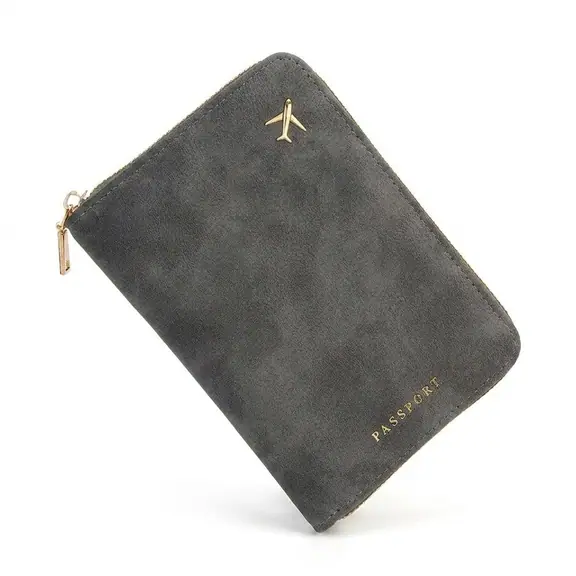
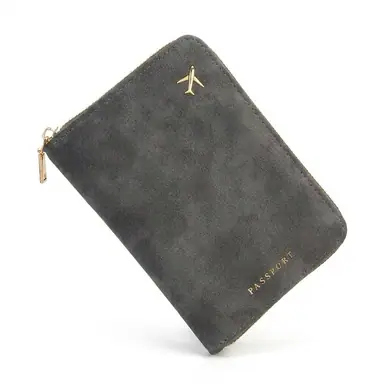
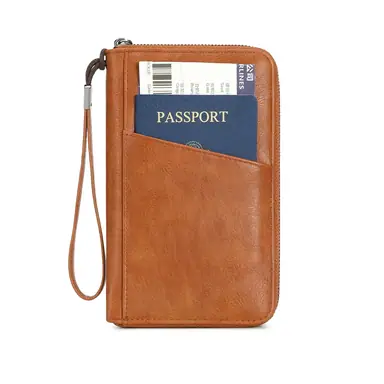
- The RFID Blocking Passport Wallet with Zip-Around Closure holds a passport, cards, cash and boarding passes behind one zip. It has a PU leather outside, a blocking lining and a polyester inside, in black or grey.
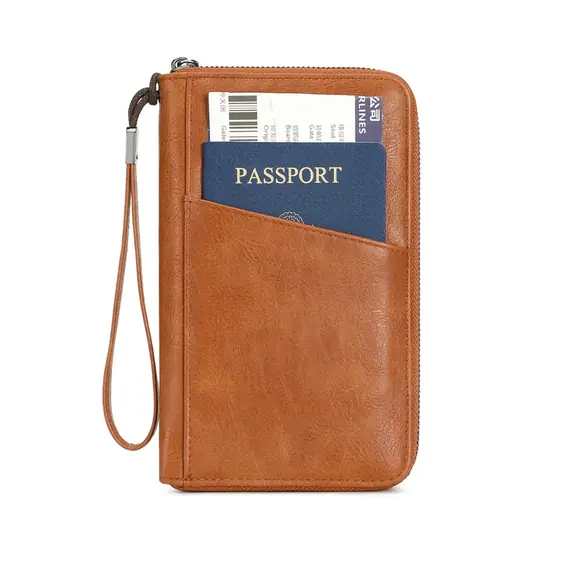
- The RFID-Blocking Passport Travel Wallet in PU Leather is a slim folding wallet of 20 × 12.5 × 2 cm, in microfibre synthetic leather with a polyester lining and several slots for cards and documents.
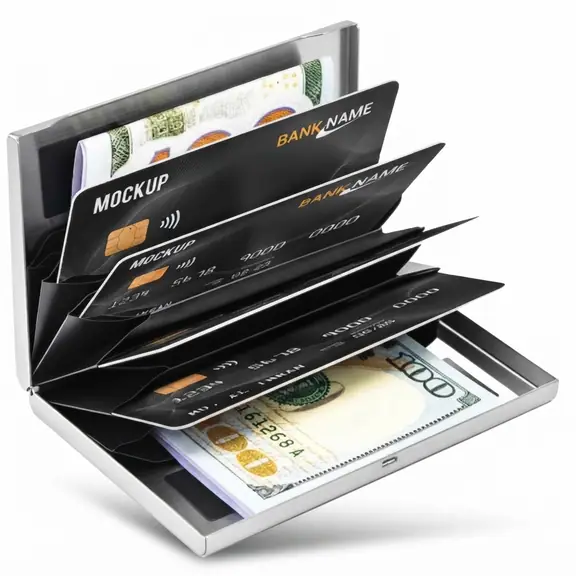
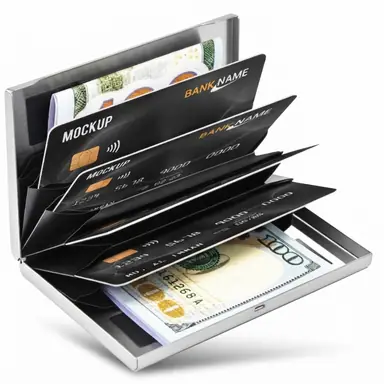
- The RFID Blocking Aluminum Card Holder holds up to about six standard cards in an aluminium alloy case, with a pop-up mechanism for getting a card out quickly. It suits the day when the passport stays in the hotel safe.
The risks an RFID lining doesn't cover
A passport left in a seat-back pocket. A wallet taken from an open bag in a crowd. A phone put down on a café table. None of these needs any electronics, and none of them is stopped by an RFID lining. They are made less likely by zips and by where you carry things, and less costly by keeping a spare card and some cash apart from the wallet.
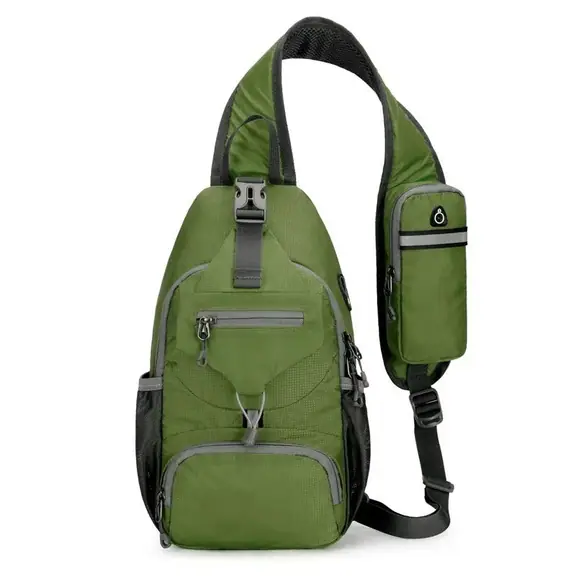
- Keep valuables where you can see them. In a crowd, wear the bag in front of you. The Anti-Theft Sling Backpack in Water-Resistant Nylon has a secure zip closure and an adjustable single strap, so it can be worn crossbody in front of you. It is sized for a phone, a wallet and small things.
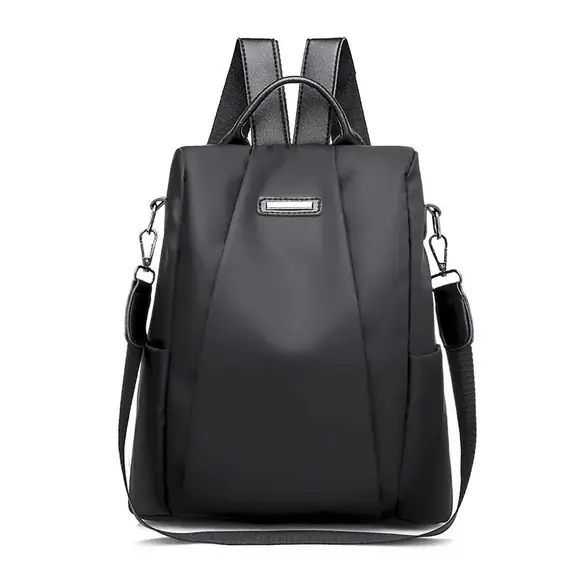
- Make the zips hard to reach. The Anti-Theft Nylon Backpack has hidden zips and concealed compartments, which its listing says make valuables harder to reach, and pockets for devices. It is a medium-capacity daypack, not a bag for a weekend of clothes.
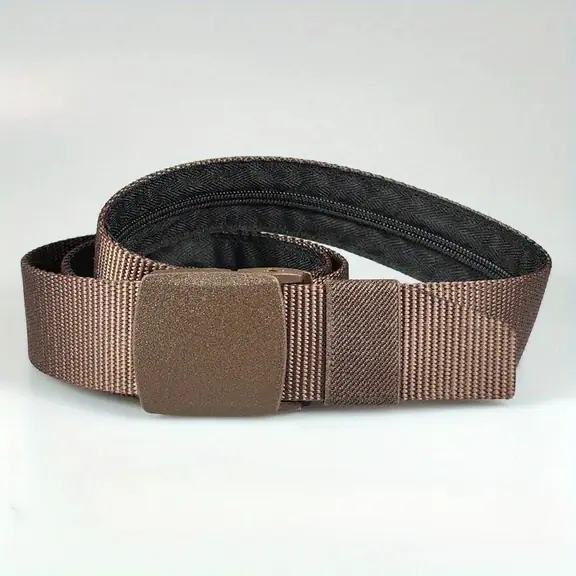
- Carry a reserve out of sight. The Anti-Theft Money Belt with Hidden Pocket is 4 cm wide, adjusts to fit, and sits flat under clothing. It is the place for a spare card and some cash, so losing a wallet does not mean losing everything.
- Split your cards. One card in the wallet, one in the money belt or a zipped inside pocket.
- Keep a copy of your passport. A photo of the photo page, stored somewhere other than the passport, helps when you have to report the loss. The UK government's page on cancelling a lost or stolen passport says a photocopy or photo can help you answer the questions it asks.
If a passport goes missing
Report it straight away. The UK government says a lost or stolen UK passport must be cancelled as soon as possible, because that reduces the risk of anyone else using your passport or your identity. If you are abroad and need to travel urgently, it says you might be able to apply for an emergency travel document, and that you then cancel the passport as part of that application. Other countries have their own process. Look yours up before you go, not after.
A short list for the trip
- Passport, cards and boarding pass in one wallet that zips shut
- A spare card and some cash kept separately
- A photo of your passport's photo page stored away from the passport
- The number for reporting a lost card, saved in your phone
- Your passport office's lost-passport process looked up before you leave
- A bag you can wear in front of you in crowds
Sources
About this guide. The rules, safety and health points follow the sources above. They are general information, not advice for your situation, and airlines can set stricter rules of their own, so check with yours before you fly. What we say about our own products comes from their product pages. We sell some of the things mentioned here.